



Wax Figures in Museums: How Suppliers Maintain Accuracy and Realism
Wax museums have continued to spectacle millions of people across the globe. Their attraction is timeless in their power to portray historical figures and celebrities in an almost too-real manner. This ‘attraction’ is not merely entertainment-related but also education, appreciation of art and culture, and preservation. These people, behind the scenes, are a powerful means of storytelling as they connect the past and the present.
This article dwells upon the backstage genius of wax figures and the wax figure manufacturers who bring these lifelike sculptures to reality as part of every successful wax museum project. We will demonstrate their creative process, material, and technology, as well as the skills needed to preserve the high level of realism that has made their work so popular.
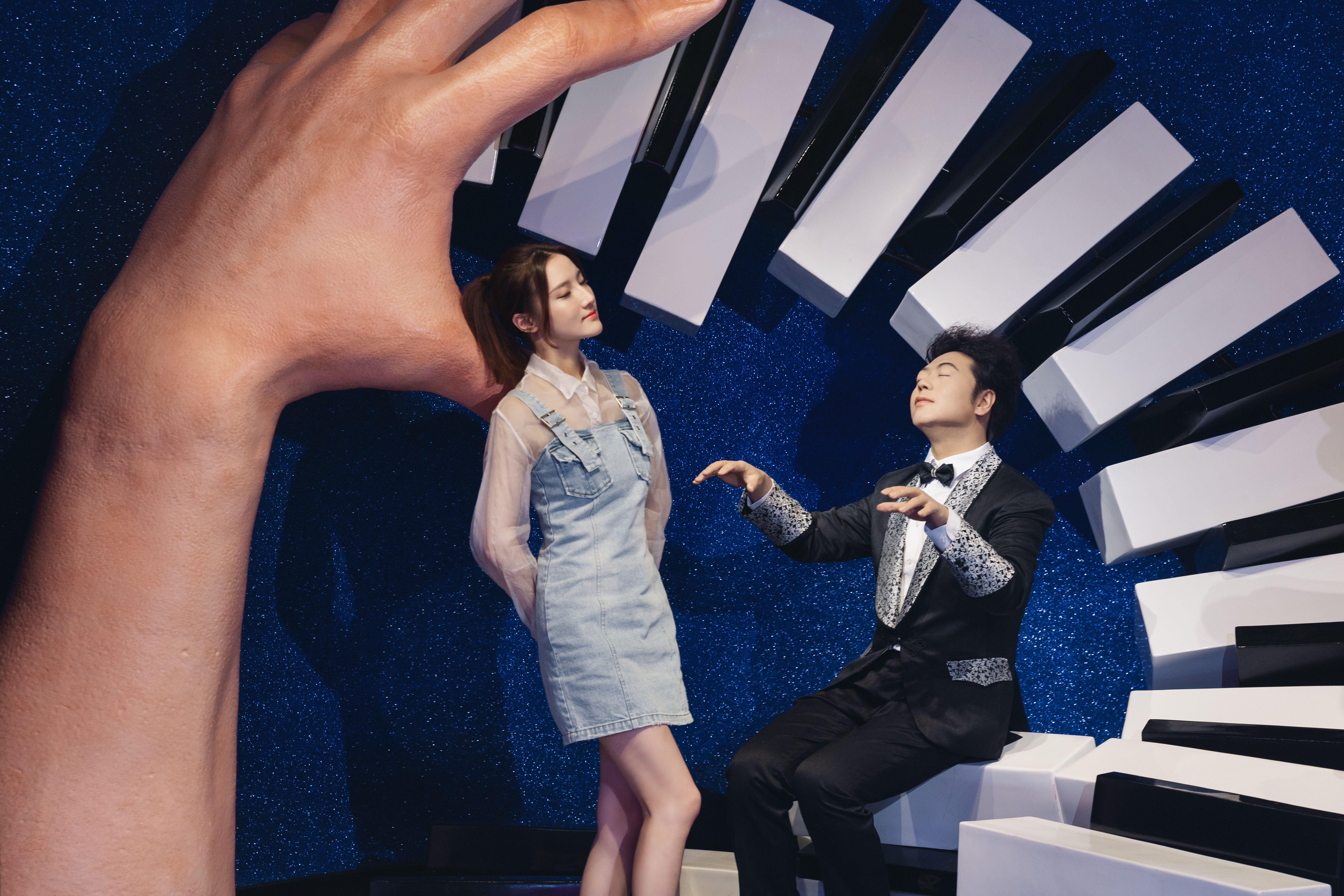
The Role of Suppliers: Artists Behind the Realism
Wax figure manufacturers are much more than suppliers; they are highly specialized craftsmen and design studios responsible for the artistic and technical excellence. Suppliers such as the DXDF Art do have access to state-of-the-art technologies and skilled teams who collaborate to create bespoke sculptures for museums, shows, theme parks, and privately owned collections in different parts of the world.
The constant need to profitably fill in the off-periods probably explains why these suppliers frequently combine custom works, that is, custom celebrity installations, with long-term partnerships with the museums. It requires both quality and historical accuracy of a long-term nature.
For instance, DXDF Art has a multidisciplinary team comprising sculptors, 3D modelers, mold-makers, painters, hair stylists, and costume designers. Each one contributes towards making some improvements in some characteristics of the figure, whether it is body language or eyebrow position. It is not a purely technological procedure, but a highly imaginative process as well, which demands knowledge of anatomy, the nature of human emotion, and fashion history.
Sourcing the Right Materials for Lifelike Results
A selection of material is significant in the realization of hyper-realistic outcomes. Leading wax figure manufacturers incorporate a mixture of platinum-grade silicone and a fiberglass frame to meet the high standards of modern wax museums. To give the skin the appearance of a natural texture, materials are also selected for their ability to reflect light, which makes the figures appear alive under exhibit lighting.
In addition, ethical sourcing and environmentally friendly behaviors are gaining focus. Most suppliers also provide cruelty-free synthetic hair, non-toxic paint, and biodegradable molds, which have shrunk their carbon footprint and increased the quality of their art.
The Step-by-Step Wax Figure Creation Process
The process of making a wax figure is a precise and very detailed one, starting with the idea of the figure, and moving through the sculpting to the completion. Now, we will explore how DXDF Art, a leading Chinese Wax figure manufacturer and operator of multiple top-tier wax museums, remains realistic at each step:
1. Research and Reference Gathering
Each project starts with comprehensive research. Teams collect 3D scans, high-resolution photos, and videos as well as historical archives recording every detail: even the facial symmetry, posture, and gestures.
2. Sculpting the Base Form
Artists, through clay sculpting, create a basic body that represents the physical structure of the personality. It is here that the likeness and proportion are made.
3. Mold Making
Once the clay sculpture is finalized, silicone or plaster molds are created to precisely capture the sculptor’s work. This is to ensure every nuance is transferred to the final material.
4. Silicone Casting
Instead of traditional wax, DXDF Art uses high-grade silicone to form the final figure. The silicone is carefully poured into the molds and allowed to cure.
5. Painting and Skin Tinting
Artists use silicone-based pigments to replicate lifelike skin tones. Silicone pigments bond exceptionally well with the silicone material, making them resistant to fading and capable of achieving highly realistic skin effects.
6. Hair Insertion and Styling
Actual or artificial hair fibers are inserted individually, usually 10,000 to 100,000 per figure. This is followed by the addition of eyelashes, eyebrows, and beards styled according to the signature of the subject.
7. Costume Fitting
Tailors duplicate clothes or buy original ones. All of the details, stitching, jewelry, and words are chosen to make a complete change of the sculpture into a near-human.
How Suppliers Ensure Anatomical and Facial Accuracy
Suppliers cannot afford any mistakes in imitating human features. They work with anthropologists, historical researchers, fashion experts, and, ideally, the celebrities themselves, or their relatives. With these partnerships, suppliers obtain critical information about the minor physical details and character peculiarities that raise the sense of realness.
While technologies such as 3D scanning and facial recognition assist in gathering facial data, it is ultimately the skilled hands of the sculptors that bring each figure to life. Each expression is meticulously hand-carved to capture not just a likeness but the true essence of the individual.
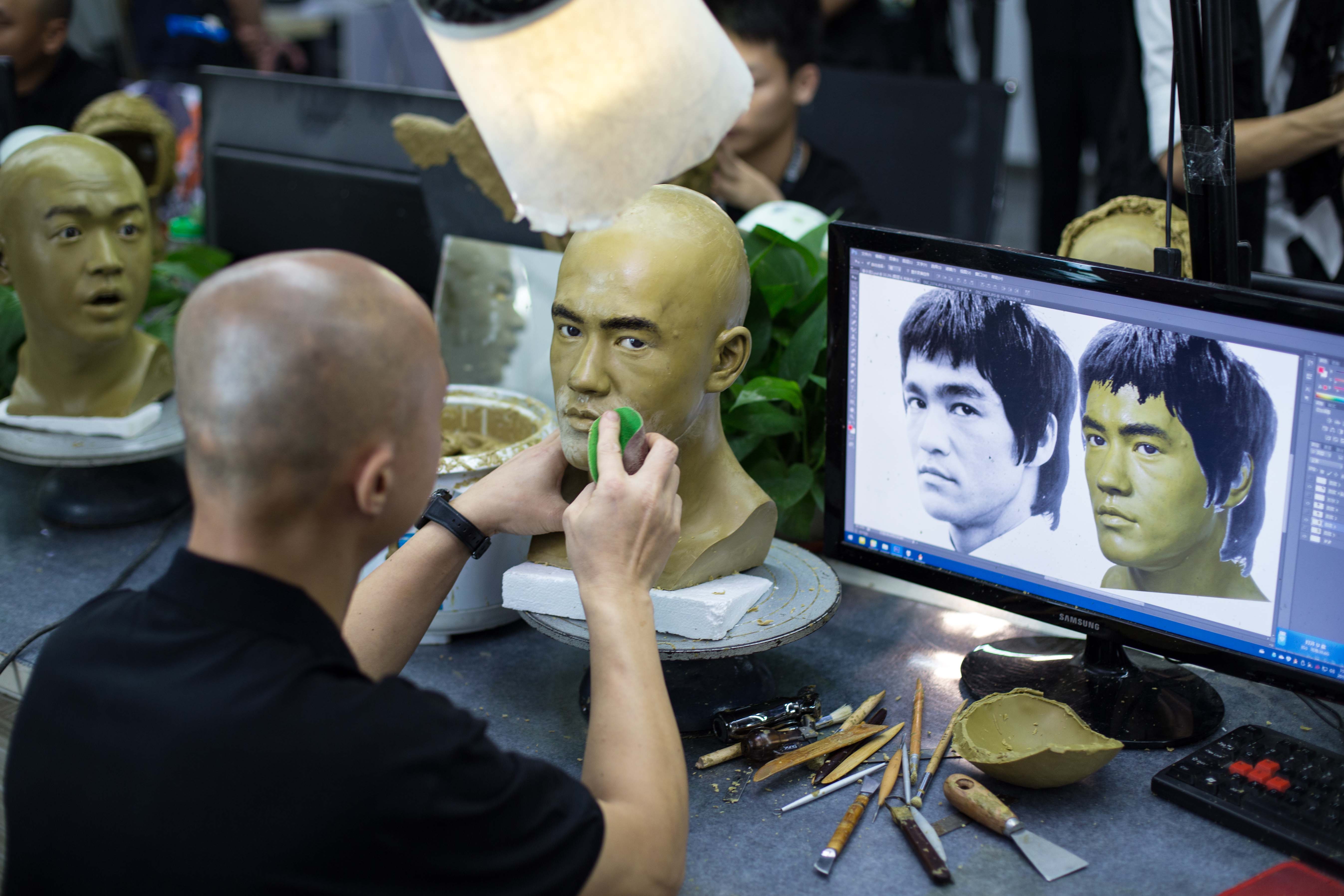
Advanced Technologies That Enhance Realism
The technology used in wax figure creation continues to evolve, offering valuable support to artists throughout the production process. Tools like laser scanning and photogrammetry provide accurate reference data for body proportions and facial features. Rather than replacing craftsmanship, these technologies assist sculptors in achieving greater consistency and efficiency in their work.
Additional innovation is provided by AI-assisted tools, which aid in filling gaps in historical information, such as the appearance of a long-deceased personality. Augmented Reality (AR) features are also used in some wax museums, letting visitors engage with figures using mobile applications, with the experience driving animations, voiceover recordings, or historical information, a combination of physicality and digital narration.
Real-Life Examples from Leading Wax Museums
DXDF Art has emerged as a chief global manufacturer of lifelike statues for different wax museum projects around Asia, Europe, and the Middle East. They are exceptionally accurate and culturally sensitive, and committed to their artistic realism, thus being valued companions to museums and exhibitions around the globe. What is interesting about DXDF Art is, the company owns 7 wax museums across China, so it offers hands-on experience when it comes to both creating and running wax museums.
Madame Tussauds museum is yet another renowned attraction worldwide that is based on wax-realistic statues of people, such as Barack Obama or Beyoncé, in the creation of which collaboration with stylists and even celebrities took part. Notably, Regional wax museums in India still use local materials to create the national figures by means of old techniques of modeling statues. The method also creates cultural pride and enables communities to recognize their heroes, who are eternally documented using wax.
Ongoing Maintenance and Restoration
Even the most durable wax figures can deteriorate over time due to environmental exposure and visitor interaction. UV light, dust, and humidity may affect delicate paintwork or hair fibers. That is where the suppliers also come in handy, so creating a wax figure or museum is not the end; they take very good care of their products as part of after-sales services. It depends on the companies on how the service will be offered and for how many years.
For instance, DXDF Art offers thorough after-installation support, including setup guidance and technical documentation. Also, it offers 2-year warranty, and life time maintenance support, though the staff transportation cost belongs to the museums. The long-term upkeep of the wax figure’s appearance is typically the responsibility of the museum or client. Proper care and periodic professional restoration ensure the figure remains presentable for years.
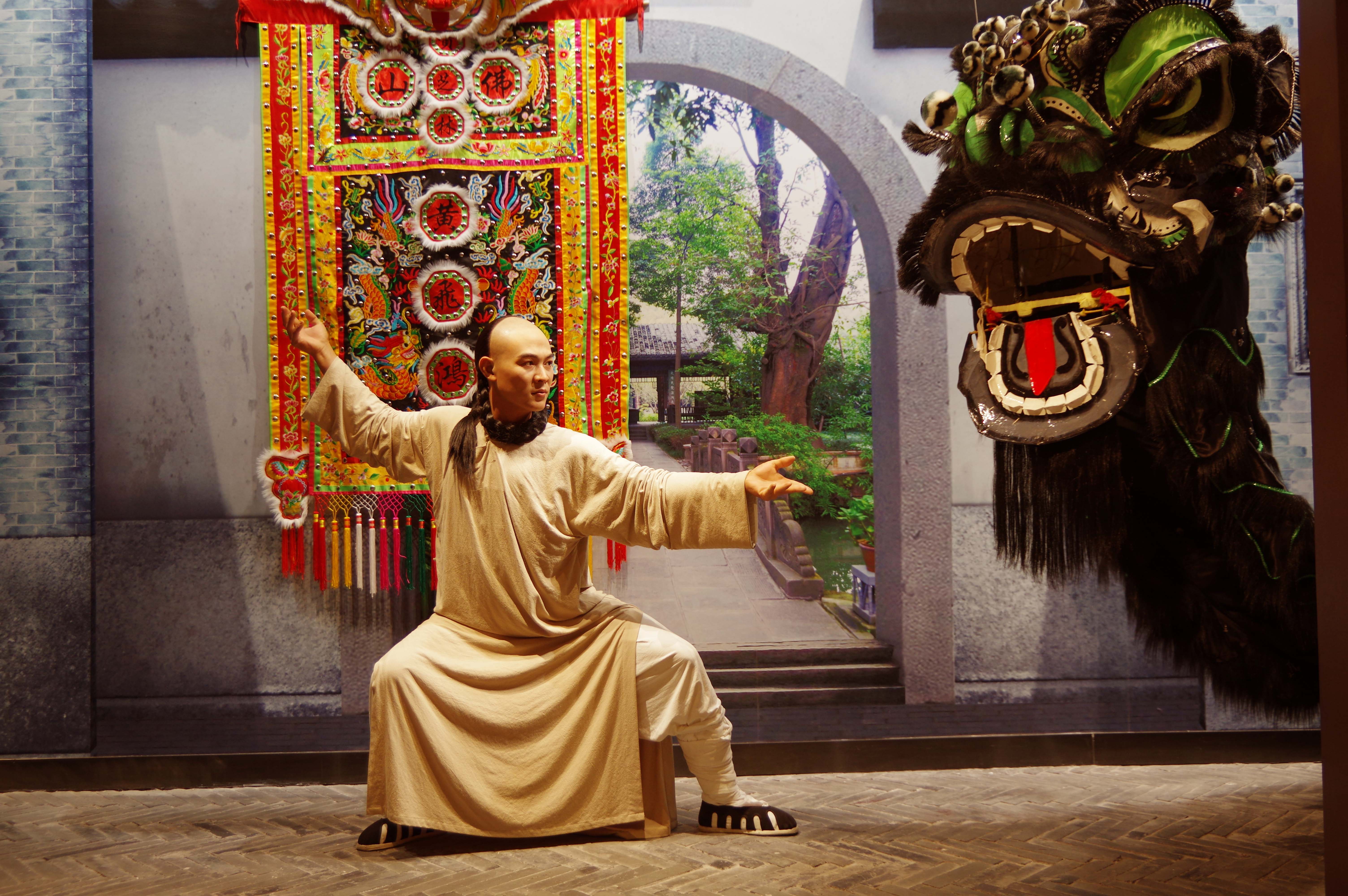
Challenges Faced by Wax Figure Suppliers
Making wax figures that look real can be intense and satisfying. What suppliers face is ever-changing challenges:
● Aging or changing personalities in real-time: Stars get old or do a style change regularly, and such changes have to be captured on a routine basis, such that the figure remains updated.
● Cultural sensitivities and controversy: Cultural sensitivities and controversy can fascinate historical and political figures, and they may create controversy; they have to be reflected correctly on a global and local scale.
● Time pressure vs. the standard of perfection: There may be short deadlines on the biggest launches, and these deadlines compete with the perfectionistic manner of the work, which requires considerable investment in project management. The pressure on suppliers is to evolve rapidly and not lose detail and realism.
The Bottom Line
Behind every hyper-realistic wax man you will see in a museum, there lies a portion of artistic genius coupled with scientific precision. Wax figure manufacturers such as DXDF Art specialize in making spectacular re-creations that code-switch instantiations of reality in illusion, and bring to life every wax museum project in the most realistic fashion. It is their commitment that allows such numbers not only to appear realistic but rather to cause emotion, relay stories, and permanently capture icons that automatic computers may not render in any human-encrypted form.

Grand Orient Wax Art service as a mature manufacturer of wax figure.
Zhongshan Grand Orient Wax Art Co., Ltd. is one of the earliest organizations making waxwork creations in China.
ADDRESS
Building 7, No.6 Hangfeng Six Road, Guangdong Game & Amusement Culture Industry City, Gangkou Town, Zhongshan City, Guangdong, China