



Application of Silicone Wax Figures in Internet-Famous Check-in Spots: A Scenario Creation Solution for Traffic Password
A few years ago, people used to visit places mainly to look around. Today, many visits start with a different question: “Will this look good in a photo?”
This shift has pushed check-in culture to the center of the influencer economy, where visual impact often matters more than scale or investment.
Internet-famous locations succeed because they offer scenes that feel worth sharing. Silicone wax figures fit naturally into this environment. When placed thoughtfully, silicone wax figures feel natural, drawing people in rather than just being props. Often, a single well-designed moment creates more buzz than an entire marketing campaign.
Why Silicone Wax Figures Fit Influencer Check-in Spots So Well
What makes silicone wax figures effective is how naturally they blend into real environments. In popular check-in spots, visitors can quickly sense when something feels forced. Well-designed wax figures avoid that problem by feeling like a genuine part of the space.
They are open to interactions without directives. The detailing of the figures is highly realistic, and the materials used are durable, so visitors are assured to come close to the figures, study the texture and features on the faces, take photos in a natural manner, and share the experience. This is the type of interaction traffic-driven locations seek to achieve.
Designed to Follow Trends, Not Chase Them
Silicone wax figures are most effective when their design starts with how people behave, not just how things look. Instead of copying trends directly, good projects interpret them; whether that means fashion-inspired poses, artistic moods, or local cultural details.
Design teams often think about questions like:
Where will people stand? How close will they get? What angle will they shoot from?
This approach allows figures to feel current without becoming disposable, making them easier to refresh as trends evolve. When design follows behavior, the scene stays relevant longer.
Realism That Makes People Pause Instinctively
Realistic skin texture, subtle facial expressions, and natural body language make silicone wax figures feel familiar. People often stop without consciously deciding to, the realism catches their attention before logic does.
Unlike signs or flat installations, these figures are difficult to ignore, especially in crowded public spaces.
Interaction That Feels Spontaneous, Not Planned
Visitors don’t need guidance to interact with silicone wax figures. Some copy their pose, others stand beside them, and many experiment with creative angles. This spontaneous behavior leads to authentic photos and videos, the kind of content that performs well on social media.
Using Silicone Wax Figures Across Different Types of Check-in Spots
The location of the check-in spot does not determine its success, but rather the individuals it draws. Silicone wax figures fare better when their layout and where they should be placed are based on visitor behavior, age groups, and content interests, and not based on the type of venue.
● Family-oriented venues:
Wax figures are made friendly and accessible in areas that are frequented by families and children. Clarity of expressions, familiar faces, and secure areas of interaction promote taking photos between parents and children, augmenting dwell time and making repeat visits more frequent.
● Young people and fashion-oriented consumers:
Places favored by the young people and the content creators enjoy people with a high visual attitude, fashion influence, or artistic styling. These tourists seek originality and social network photos, and any risky staging and candid details are particularly productive.
● Culture-focused visitors:
Wax figures tend to emphasize regional identity, traditional tales, or famous figures, appealing to audiences interested in cultural or local experiences. This establishes some emotional attachment and yet provides a unique visual experience that is worth sharing on the Internet.
Silicone wax figures can be placed in a more strategic position by knowing the identity of those visitors and how they mingle with the space. This model of approach, based on the audience, enables brands and destinations to have superior engagement and improvement of traffic across various internet-famous check-in settings.
Turning Silicone Wax Figures into Traffic-Generating Tools
Visual appeal alone is not enough. Silicone wax figures perform best when they are planned as part of a broader traffic and visitor-flow strategy.
Choosing the Right Check-in Locations
Figures are most effective when placed where visitors naturally slow down — entrances, open plazas, or transition areas. This makes interaction feel effortless rather than staged.
Simple Interaction Ideas That Actually Work
Rather than complex setups, simple ideas work better. Pose suggestions, themed scenes, or seasonal changes encourage visitors to participate and create their own content.
Helping Offline Scenes Travel Online
When figures are designed with lighting, framing, and camera angles in mind, visitor photos and videos perform better online. This is how physical spaces continue generating traffic long after the visit ends.
Case Insight: What Changed After Installation
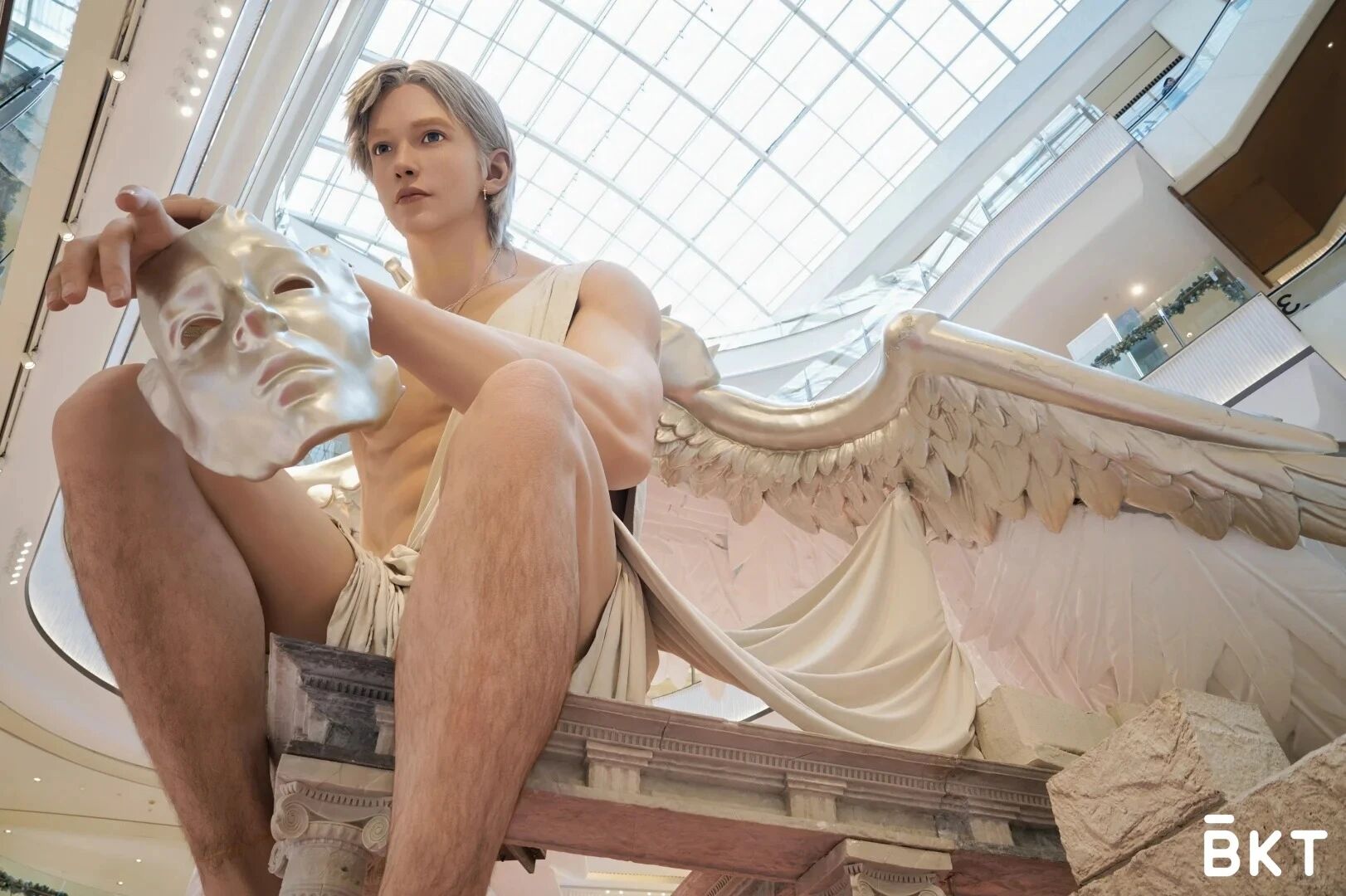
The large-scale silicone wax figure work of DXDF Art shows how hyper-realistic installations can move beyond visual decoration to actively redefine the behavior of visitors in business premises. Silicone wax figures are made in response to the emotional narration and spatial reasoning when they are meant to be the centers of attention instead of the background details.
In Changying Tianjie, Beijing, a large silicone wax installation encouraged visitors to slow down, look carefully, and communicate instinctively. The realism of the figure was great to resist the close analysis, and people approached, scrutinizing the details and being involved without any instructions. This natural drop-in interaction resulted in a tangible increase in photographic capturing and unplanned content exchange on social networks.
The installation provided quantifiable outcomes. The visitor stay time has improved, the check-in volume has increased significantly, and user-generated content has expanded substantially due to the rapid increase in social media exposure compared to paid advertising. For DXDF Art, the project also served as an exhibition as well as a traffic-generating model that could be replicated in other cities and business settings.
Aspect | Before Installation | After the Giant Angel Installation |
Visitor behavior | Passing through space | Slowed down, paused, gathered |
Interaction level | Low, mostly observational | High, close viewing & photos |
Photo-taking | Occasional | Frequent, spontaneous |
Social sharing | Limited | Organic user-generated content |
Dwell time | Short visits | Noticeably longer stays |
Space perception | Regular commercial area | Destination-level experience |
Key Points When Customizing Silicone Wax Figures
Customization determines whether a figure becomes a traffic driver or just a background decoration.
Following Visual Trends
Designs should reflect current aesthetics while remaining flexible for future updates. This keeps spaces visually relevant.
Designing for Real Interaction
Figures should invite people to move, pose, or engage. Interaction leads directly to a stronger emotional connection and sharing.
Thinking from the Camera’s Perspective
Lighting, posture, and background matter. A figure that looks good through a camera lens multiplies its marketing value.
Conclusion
In today’s influencer economy, traffic is created, not discovered. Silicone wax figures help check-in spots build scenes that people genuinely want to photograph and share.
By combining realism, interaction, and visual storytelling, these figures turn physical spaces into digital exposure. For brands and destinations competing for attention online, they have become a practical and proven traffic solution.
The DXDF Art
DXDF Art works with brands, creative spaces, and cultural projects across the world to design silicone wax figures that feel natural within real environments. With years of glory and experience in operating multiple wax museums in China, the team focuses on realism, trend awareness, and how visitors actually behave in a space. Through thoughtful design and hands-on experience, DXDF Art helps transform ordinary locations into scenes people remember and share.

Grand Orient Wax Art service as a mature manufacturer of wax figure.
Zhongshan Grand Orient Wax Art Co., Ltd. is one of the earliest organizations making waxwork creations in China.
ADDRESS
Building 7, No.6 Hangfeng Six Road, Guangdong Game & Amusement Culture Industry City, Gangkou Town, Zhongshan City, Guangdong, China