


Behind The Scenes Of A Wax Museum Project: How Lifelike Figures Are Made
You know that instant when you're standing in front of a wax statue, and your mind is like, "Wait, is that really a living being?" Isn't that a weird sensation? The skin is textured. The eyes have dimension. Even the hair appears to have been done a minute before. It's so realistic, it actually makes you want to touch them (but don't because of museum regulations).
That's the crazy thing about wax figures. They're the product of months of secretive, intricate labour. A combination of old-fashioned sculpting, new-fangled technology, and a whole bunch of little decisions most of us never even consider. So if you've ever found yourself thinking "How do they make these things?", let us tell you how, and maybe you can start a wax museum project of your own.
Step 1: The Sitting
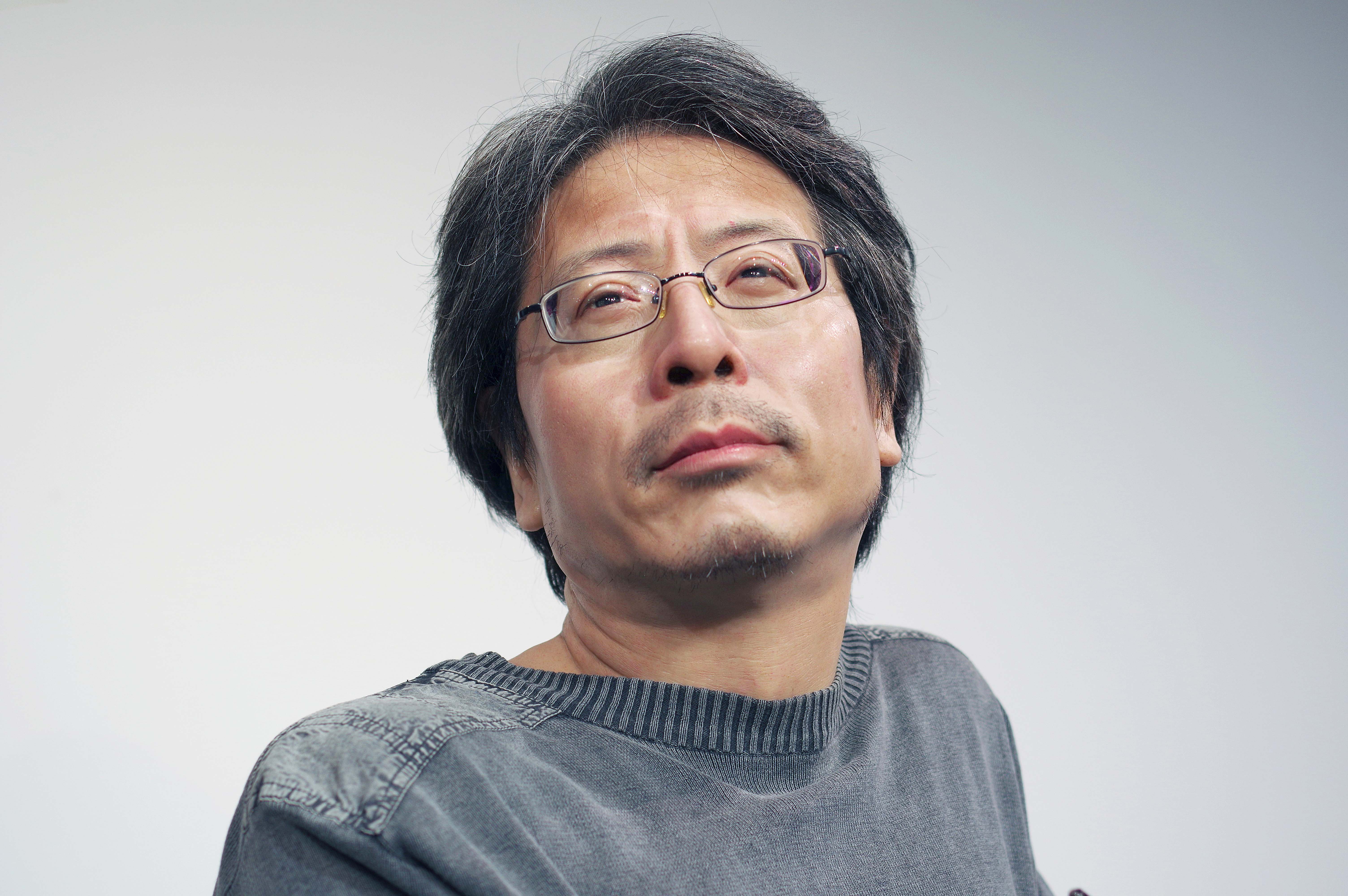
If the subject is alive and available, the process typically begins with what's referred to as a sitting. This is a session where the subject visits the studio for a concentrated series of measurements and photographs. Artists take more than 200 measurements of the face and body, as well as high-resolution photographs from every angle. They employ callipers, 3D imaging, and digital scans along with good-old note-taking and sketching.
From the curve of the earlobe to the arch of an eyebrow, nothing escapes attention when it comes to a wax museum project. A few studios even shoot video to catch the subject's natural expressions, movements, and the way they move about, because sometimes it's not simply a matter of what a person looks like, but the way they move too.
Now, if the subject isn't available, such as if they're dead or simply too busy, artists make do with whatever reference material they have. That ranges from archival footage, interviews, red carpet pictures, paparazzi photos, to even fan stuff. Sometimes studios even utilize 3D scans of current sculptures, face masks, or lifecasts when they're available, particularly for historical subjects.
Step 2: Sculpting And Shaping
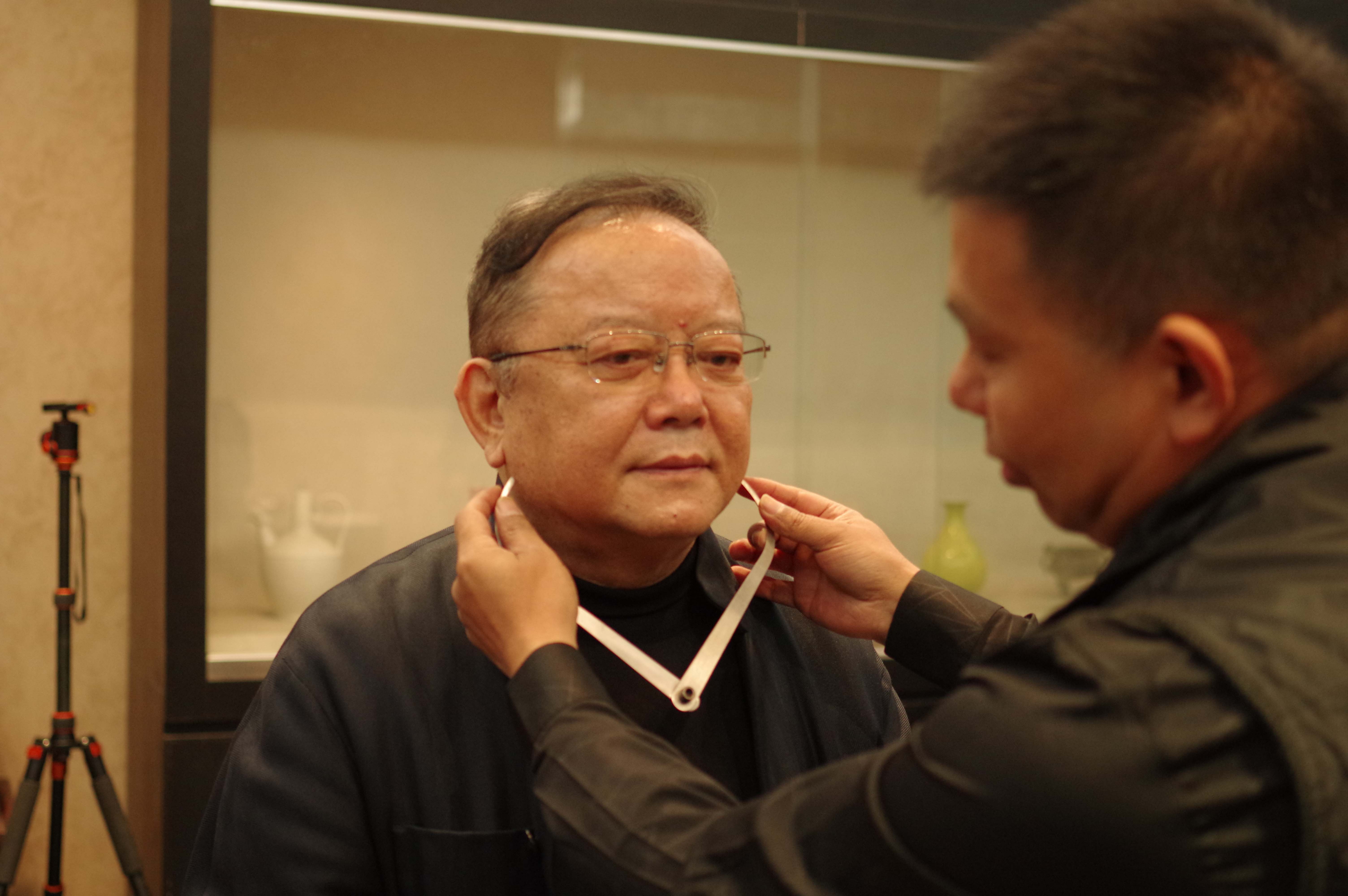
Now comes the part where things really start to take shape for your wax museum project (time to get your hands dirty). After all the measurements, photos, and references are collected, the sculptor rolls up their sleeves and gets to work with clay. This is the stage where the figure is first built by hand, from the inside out.
Sculptors begin with a metal base (kind of like a skeleton) to support the figure, then start adding clay bit by bit. If you were in the studio watching, you'd see them slowly build up the figure, layering and shaping the clay until it starts to look like someone.
They usually start with the head, because let's be real, that's the part we all focus on first. But it's not just about getting the shape right. Sculptors are trying to capture something more: the way a person smiles, the tilt of their head, even the kind of energy they give off. Are they soft and approachable? Fierce and focused? That vibe needs to come through in the clay.
Once the clay version is just right, it gets a full review. Sometimes, if the person is still alive, they'll even stop by to check it out and give their thoughts. Only once everyone is happy does the figure move on to casting.
Step 3: Casting
Now here's where things start to feel a little more like science (don't worry, it's still totally hands-on). Once the clay figure is approved, it's time to make a mold. This part is delicate. Sculptors build the mold in pieces around the figure, usually starting with the head, hands, and feet (because those are the parts that will be cast in wax). The mold has to capture every single detail, even the tiny skin textures you wouldn't normally notice.
Next, hot wax is poured into the mold and gently rotated until it forms an even shell. That's what gives the figure its soft, skin-like finish. Once it's set and cooled, the wax is removed from the mold and cleaned up.
The body, on the other hand? That's usually made of fiberglass, which is strong, durable, and much better at holding its shape under museum lights and crowds. Wax looks great, but it's sensitive to heat and pressure, so fiberglass makes sure your favorite celeb doesn't start drooping after a few months.
Once all the parts are ready, they're carefully assembled. The head's attached to the body, arms and legs are positioned, and any rough edges are smoothed out. And now the figure is finally starting to look whole.
Step 4: Painting And Hair
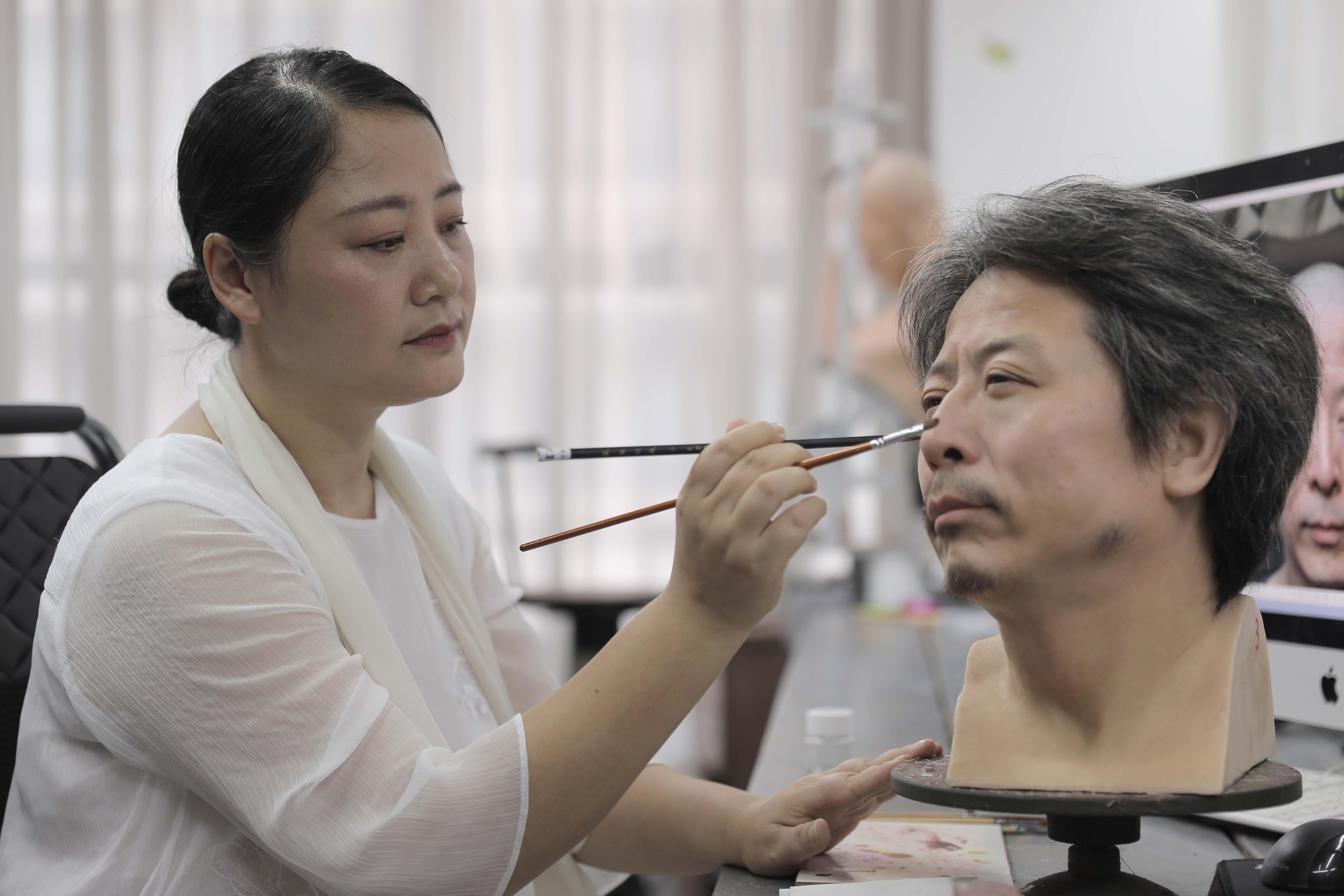
At this stage, the figure might look solid and sculpted, but it still needs one crucial thing to feel truly alive: color and character. So, our artists get to work with super-fine brushes and layers upon layers of custom-blended silicone pigments. These are carefully painted onto the wax surface (yep, all by hand), building up realistic skin texture little by little. The process can take days, sometimes even a week or more, depending on the level of detail. And it's worth every second.
Step 5: Styling
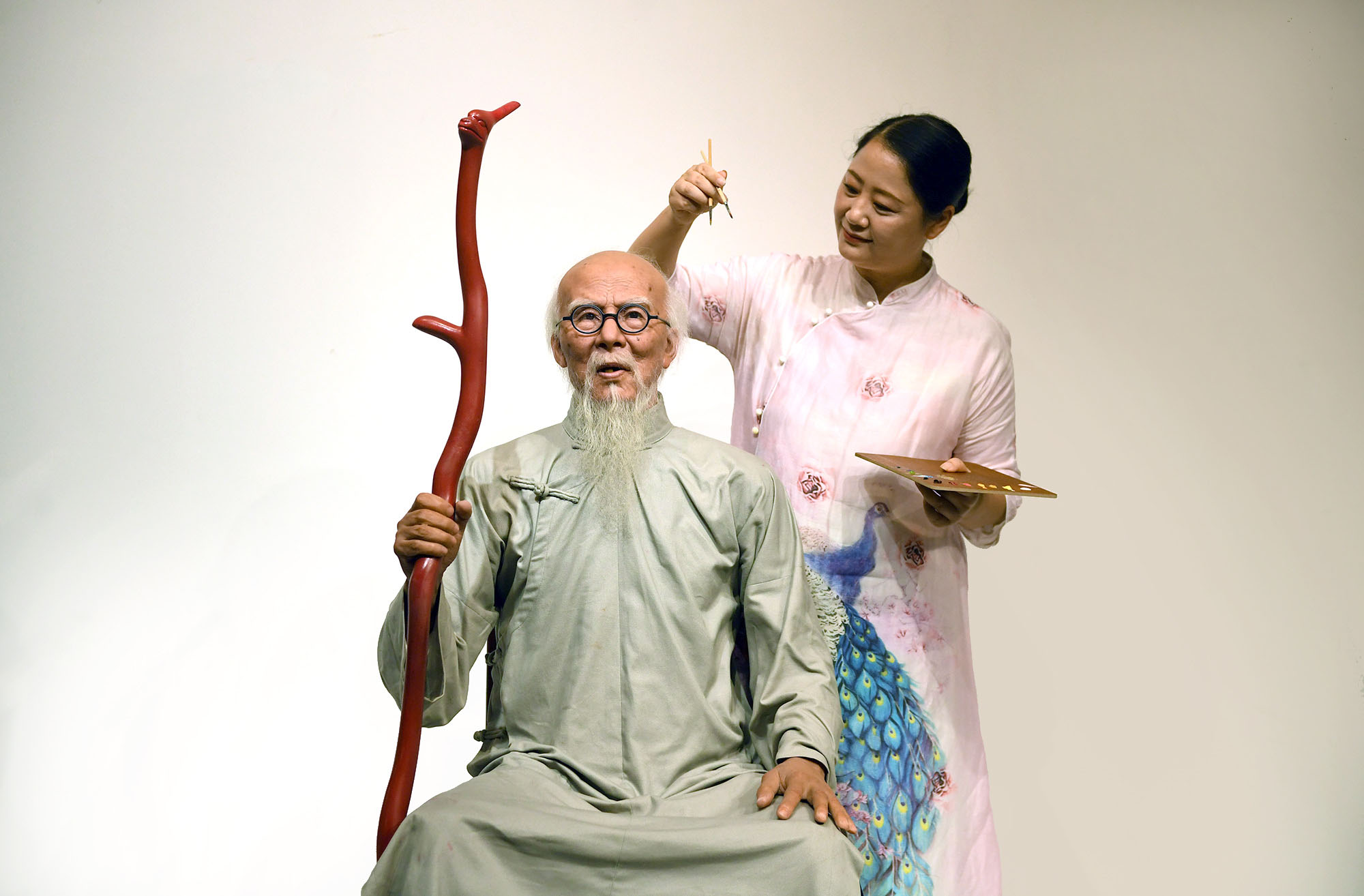
Now this is our final step towards the figures of our wax museum project. Once the figure looks real, it's time to dress it like it means something. The outfit must tell a story. It could be a famous red carpet look, a signature stage outfit, or even a classic historical uniform. Whatever it is, it's chosen and crafted to match the personality and era of the person.
And then there are the finishing touches. Shoes, jewelry, glasses, hats, even the smallest rings or watches; they all get recreated or sourced to complete the look. And when it all comes together? That's when the magic really happens.
Who Should You Choose For Your Wax Museum Project?
If you're envisioning a wax museum or looking to include lifelike figures in your setting, having the right team does matter, and that's where Grand Orinet Wax Art (or DXDF Art) is here to help. With more than twenty years of expertise in the art, Grand Orinet Wax Art (or DXDF Art) has perfected the art of making ultra-realistic silicone figures come alive. Celebrities and history's greatest figures to custom orders, their art is renowned for being precise and full of personality.
Grand Orinet Wax Art (or DXDF Art) also offers full-service support for anyone starting a wax museum project. From concept design to construction and even operations, they will handle it all for you (you just have to say the word). So if you want craftsmanship, care, and figures that make people do double-takes? You're in the right place.
Final Thoughts
And there you have it. From the initial photo shoot to the last strand of hair, now you understand how your wax museum project will be realized. From concept design and figure making to museum building and management, Grand Orinet Wax Art (or DXDF Art) offers start-to-finish services specifically tailored to your vision. Their experience guarantees that your wax museum project will be both engaging and business-savvy, so contact them today and let them turn your wax fantasies into reality!

Grand Orient Wax Art service as a mature manufacturer of wax figure.
Zhongshan Grand Orient Wax Art Co., Ltd. is one of the earliest organizations making waxwork creations in China.
ADDRESS
Building 7, No.6 Hangfeng Six Road, Guangdong Game & Amusement Culture Industry City, Gangkou Town, Zhongshan City, Guangdong, China