



The Hidden Cost of “Cheap”: Why Low-Cost Wax Figures Dilute Your Luxury Brand Value
There's a conversation that happens quietly inside luxury brand teams, usually after the fact. Someone greenlit a wax figure installation for the flagship store or brand museum. It came in under budget. It looked fine in the vendor's catalog photos. And then it arrived.
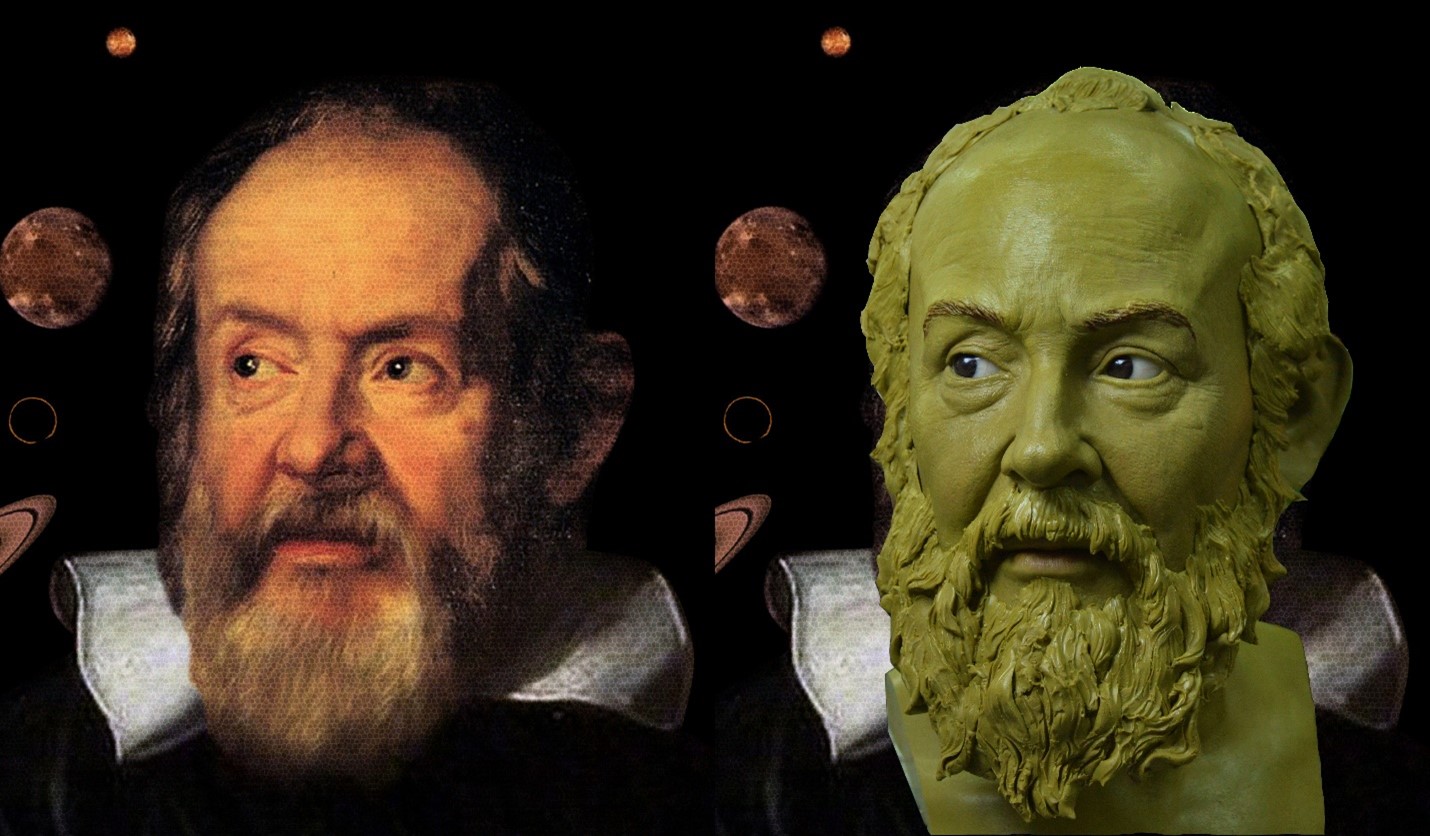
The skin texture looked painted rather than real. The eyes had a kind of glassy emptiness. The clothing — supposedly replicating an iconic archival piece — hung off the figure like a costume, not a couture garment. And within a few months, a corner of the face started to crack.
The team had saved, say, $15,000 on production. What they couldn't quite account for was what it cost them in everything else.
This is the conversation worth having before the purchase order goes through.
Wax Figures Are Brand Infrastructure Now, Not Decoration
In the last decade, the role of wax figures in high-end retail and brand storytelling has shifted fundamentally. They're no longer novelties you find only in tourist museums. Today, a well-executed founder's figure anchors a brand heritage room. A hyper-realistic replica of an iconic campaign model becomes an immersive retail centrepiece. A customized silicone figure of a cultural icon at an in-store event creates the kind of photo moment that no marketing budget can manufacture from scratch.
Madame Tussauds built an entire global empire on the simple insight that people don't just want to read about someone — they want to stand next to them. Luxury brands have absorbed this logic. The physical experience of a space, the tactile and visual richness of it, has become a real differentiator at a time when the product itself is harder to distinguish through digital channels alone.
So when a wax figure goes wrong, it doesn't just look bad in isolation. It sits inside a space that was designed to communicate precision, heritage, and craftsmanship. The mismatch is glaring — and customers notice it more than most brand teams expect.
The Costs That Don't Appear on the Invoice
Talk to anyone who has gone through a low-cost wax figure procurement and later replaced it, and a few themes come up consistently.
The first is the visual dilution problem. Luxury brands invest enormous resources into creating a coherent aesthetic — the lighting in a store, the materials used in fixtures, the way products are displayed. A low-fidelity wax figure introduced into that environment creates a visual inconsistency that undermines the whole.
The second cost is the failure of emotional storytelling. The whole point of placing a founder's likeness or a cultural figure in a luxury space is to create a moment of connection — to make the brand's history feel real, its values feel embodied, its story feel worth caring about. That only works if the figure is convincing. When the craftsmanship is poor, the expression flat, the posture slightly off, the emotional circuit breaks entirely. What was supposed to communicate legacy instead communicates carelessness.
Third — and this one tends to surprise finance teams — is the replacement cycle cost. Budget wax figures, often made with inferior base materials, have a lifespan that rarely exceeds six to twelve months in a retail or exhibition environment. Cracking, fading, and deformation are common. When you factor in the cost of removal, re-procurement, reinstallation, and the disruption to the space during transition periods, the "cheap" option often ends up costing more over a three-year window than a properly manufactured silicone figure would have from the start.
What Proper Craftsmanship Actually Looks Like
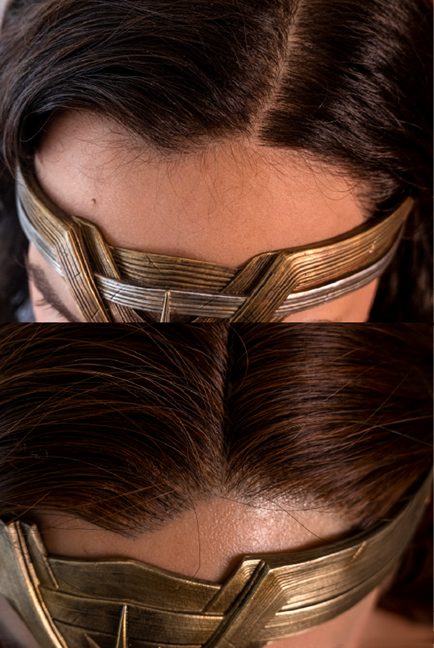
The standard for high-end silicone wax figures has moved considerably in the past decade. Studios with serious expertise — like DXDF Art, which has been working in this space for nearly 24 years — work from detailed reference materials to reproduce micro-expressions, skin texture at a near-cellular level of detail, and hair that is individually inserted rather than moulded. The result is something that stops people in their tracks, not because it's a curiosity, but because it's genuinely uncanny in its realism.
The materials used in quality production — food-grade platinum silicone, stable internal armatures, UV-resistant pigments — are chosen specifically for longevity in public environments. A well-made figure doesn't just look better on day one; it looks essentially the same on day 1,500. That durability is part of the value proposition, not just a technical detail.
The Right Frame for This Decision
The mistake most teams make when evaluating wax figure options is treating it purely as a procurement decision rather than a brand investment decision. Procurement thinking optimises for unit cost. Brand investment thinking asks: what is this going to do for us over the next three to five years, and what are the downside risks if we get it wrong?
When you reframe it that way, the economics shift. A high-quality silicone figure with a 25 to 30 year lifespan, that functions as a social media asset, that reinforces rather than undermines the brand's spatial narrative, that requires minimal maintenance, is not a premium. It's the efficient choice. The "cheap" figure that needs replacing every year, that generates negative content, and that quietly signals to your most discerning customers that you cut corners in places they can see — that's where the real expense is.
Luxury brands have built their positions on the argument that quality is worth paying for. It's a strange thing, then, to make the opposite argument internally when deciding how to represent that quality in a physical space.
Quality Is the Whole Point
Every detail in a luxury environment is a signal. The weight of a door handle, the grain of a wooden display surface, the way a garment is folded in a case — these things communicate something about what the brand believes and what it is willing to invest in the experience of its customers. A wax figure is no different. It is either evidence of your standards or evidence of the absence of them.
The hidden cost of cheap isn't really hidden at all. It's sitting right there in your flagship store, visible to everyone who walks through the door.

Grand Orient Wax Art service as a mature manufacturer of wax figure.
Zhongshan Grand Orient Wax Art Co., Ltd. is one of the earliest organizations making waxwork creations in China.
ADDRESS
Building 7, No.6 Hangfeng Six Road, Guangdong Game & Amusement Culture Industry City, Gangkou Town, Zhongshan City, Guangdong, China