



The Transmission of Multiculturalism Through Wax Figures
Stepping into a modern wax museum, visitors are immediately struck by the lifelike realism of the figures: skin textures appear vivid and natural, hair falls with a natural flow, and eyes convey emotion. These transformations are a result of material innovation—replacing traditional wax with silicone, which significantly enhances the texture and durability of the wax sculptures.
Silicone not only mimics the feel of human skin but also offers high flexibility, moldability, and strong anti-aging properties. Unlike traditional wax statues, which could not capture intricate skin details, silicone mannequins can now faithfully reproduce skin textures and even incorporate real human hair, beards, eyebrows, and eyelashes. This dramatic improvement makes silicone sculptures appear almost indistinguishable from real people and allows the emotional essence entrusted by clients to be conveyed through these figures. Additionally, wax mannequins placed in cultural and tourist sites are not just attractions but also serve as vessels of cultural emotion, transmitting deeper cultural significance to the audience.
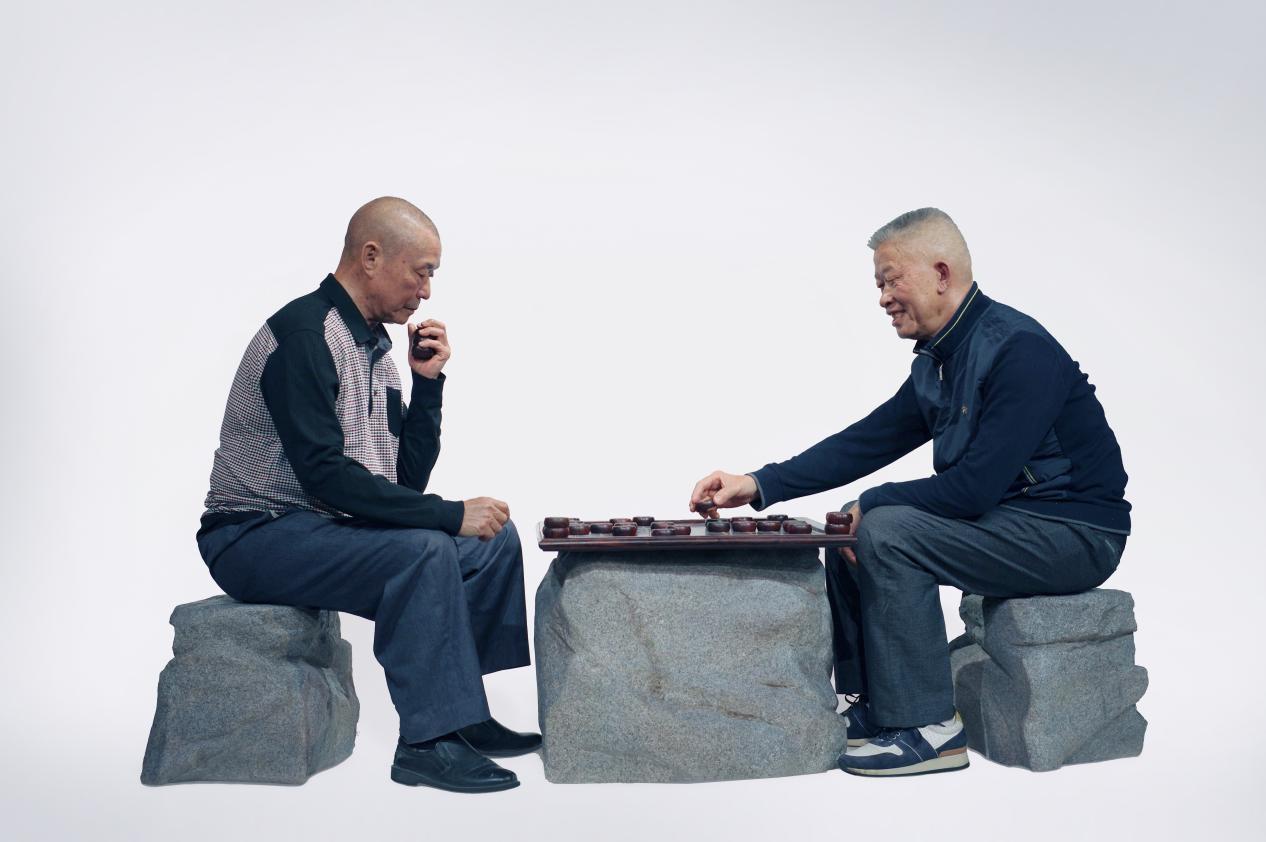
A Link for Cultural Transmission
Wax statues serve as living witnesses to historical figures and pivotal moments, allowing future generations to experience history in an immersive way. For instance, the Scientists Series wax figures created by DXDF in collaboration with Guangzhou Grandview Mall placed 52 distinct scenes and 57 wax figures of scientists from different eras and fields throughout the mall. Accompanied by a 60-meter screen showing a documentary on technological development and short animated clips explaining the scientists' lives and their great contributions to world civilization, visitors gained a thorough understanding of how science and history are intertwined, with the passage of time brought to life in each wax figure.
Embracing Multiculturalism
For years, Hollywood figures dominated the themes of wax museums. Icons like Marilyn Monroe and Tom Cruise occupied major spaces in museums, attracting global attention. But times have changed. Increasingly, people from diverse fields—athletes, political leaders, artists, and even animals—have stepped onto the wax museum stage, becoming key players in cultural transmission.
Thanks to the material flexibility of silicone, these sculptures can be detailed to the finest characteristics: freckles, moles, wrinkles, and the emotions conveyed through their eyes. These details are crucial in making the figures come alive, and they are a key reason why DXDF's wax statues have captured the hearts of audiences. In this way, culture is passed on through wax mannequins, and emotions are transmitted, making wax museums an important venue for the spread of culture.
Breaking Cultural Barriers
Historically, wax museums have predominantly showcased Western culture, and visitors could only learn about figures from Europe and the U.S. But with the rise of global multiculturalism, this trend has changed dramatically. Modern wax sculptors and curators are embracing cultural diversity and integrating it into their works. African political leaders, Asian celebrities, Indigenous leaders, and cartoon characters now share the stage, allowing visitors from China to see a lifelike figure of agricultural hero Yuan Longping, or Nigerians to see the leader who fought for their independence. Even African-American rappers are now celebrated on wax museum stages. No matter where visitors come from, they find a sense of cultural identity in these representations.
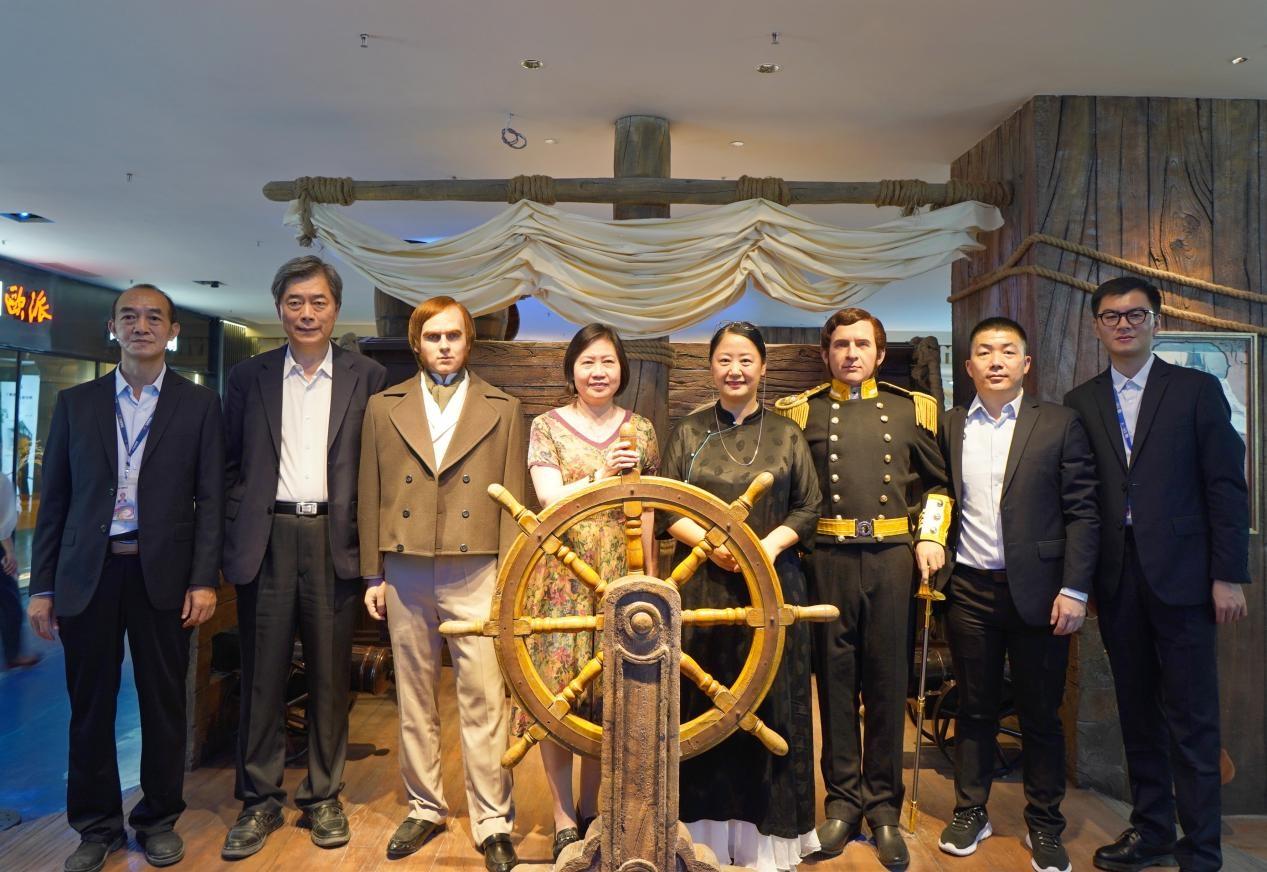
DXDF Wax Art Company: The Ideal Wax Museum Contractor
How can a wax museum balance and incorporate cultural diversity, ensuring that every visitor from around the world feels a sense of identity? This relies heavily on the curatorial skills of the team—not only ensuring the accuracy of the figures but also embedding rich cultural meaning and curation.
· Accurate Detail Presentation: From skin tone to eye expression, from posture to hairstyle and attire, every feature must remain true to the individual’s original form.
· Objective Representation: Wax figures should avoid stereotypes and be true to life, without falling into clichés.
· Balancing Audience Needs: Curators must consider the demands of visitors from different regions and cultures while ensuring a balance of local cultural representation.
While the development of silicone technology has solved many of the challenges of wax figure production, curatorial experience is essential for resolving the complex tasks that go beyond technical solutions. Having rich experience in planning and constructing wax museums is, therefore, crucial.
DXDF Wax Art Company, based in Zhongshan, Guangdong, China, is the ideal partner for your wax museum project.
With 25 years of experience in wax sculpture production and seven self-operated wax museums, DXDF Art is highly skilled in creating culturally rich and realistic wax figures. Their team of sculptors, with rich experience, ensures that the first step in the creation process—the clay model—is meticulously crafted to capture lifelike expressions and features. Their design and engineering team, experienced in building large-scale wax museums and theme parks, creates balanced, well-planned spaces that integrate cultural spirit into every detail, assisting clients in creating effective wax museum projects.
Regardless of how times evolve or how technology advances, DXDF Art remains at the forefront of wax figure artistry. Their wax statues are more than just sculptures; they are living witnesses to the passage of time. Personal destinies and historical changes are intertwined, and their figurative spirits are encapsulated in each wax figure. Choose DXDF Art to help bring your vision of a wax museum to life.
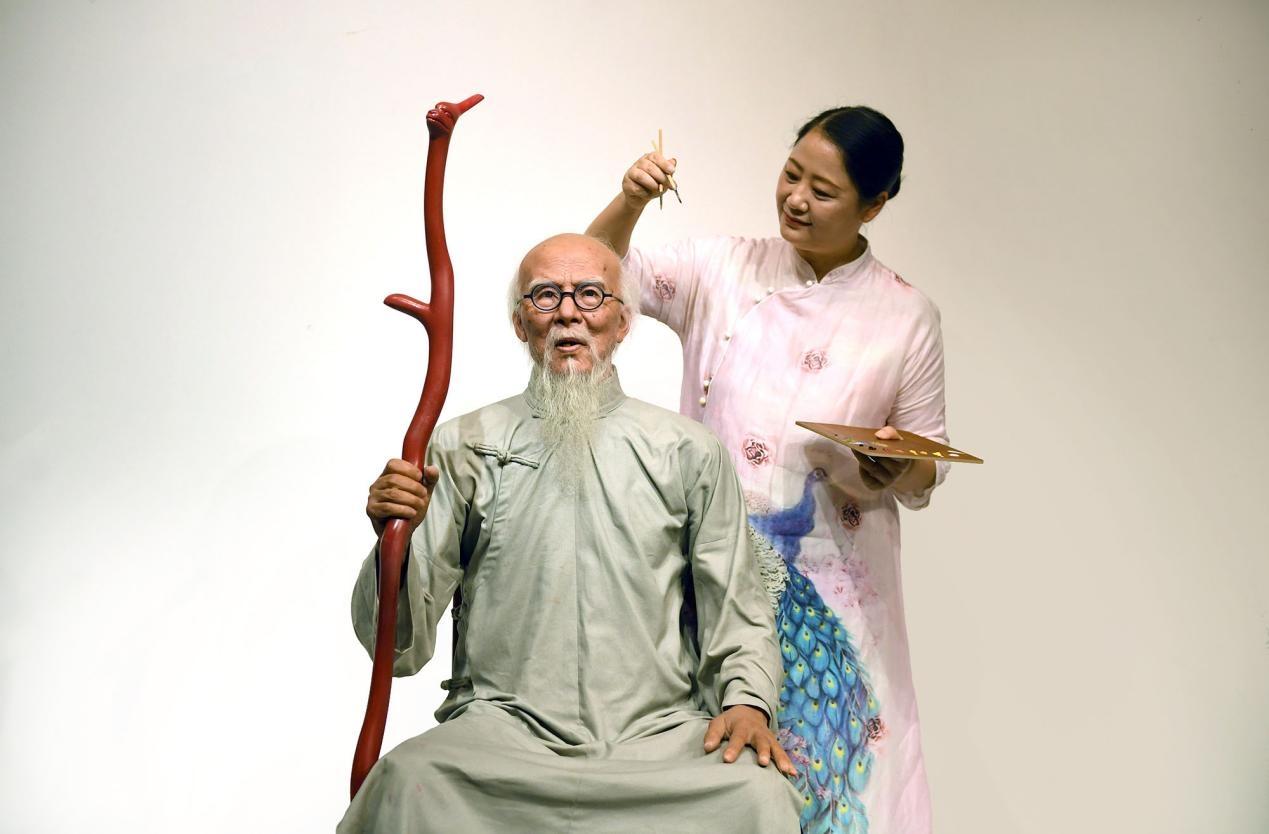

Grand Orient Wax Art service as a mature manufacturer of wax figure.
Zhongshan Grand Orient Wax Art Co., Ltd. is one of the earliest organizations making waxwork creations in China.
ADDRESS
Building 7, No.6 Hangfeng Six Road, Guangdong Game & Amusement Culture Industry City, Gangkou Town, Zhongshan City, Guangdong, China