



The Future of Wax and Silicone Figures: Where Art Meets Innovation
As technology and art increasingly converge, the possible future of wax and silicone figures includes a new dawn of innovations, where people look as real as possible and acquire a level of cultural interest. Manufacturers are increasingly focusing on innovation to combine wax and silicon to create figures better than ever. Leading the way are innovators like DXDF Art, who are pioneering the fusion of wax and silicone to set new standards in realism and functionality.
But how far has the industry come? What does the future hold for wax and silicone figures? We will have a closer look here.
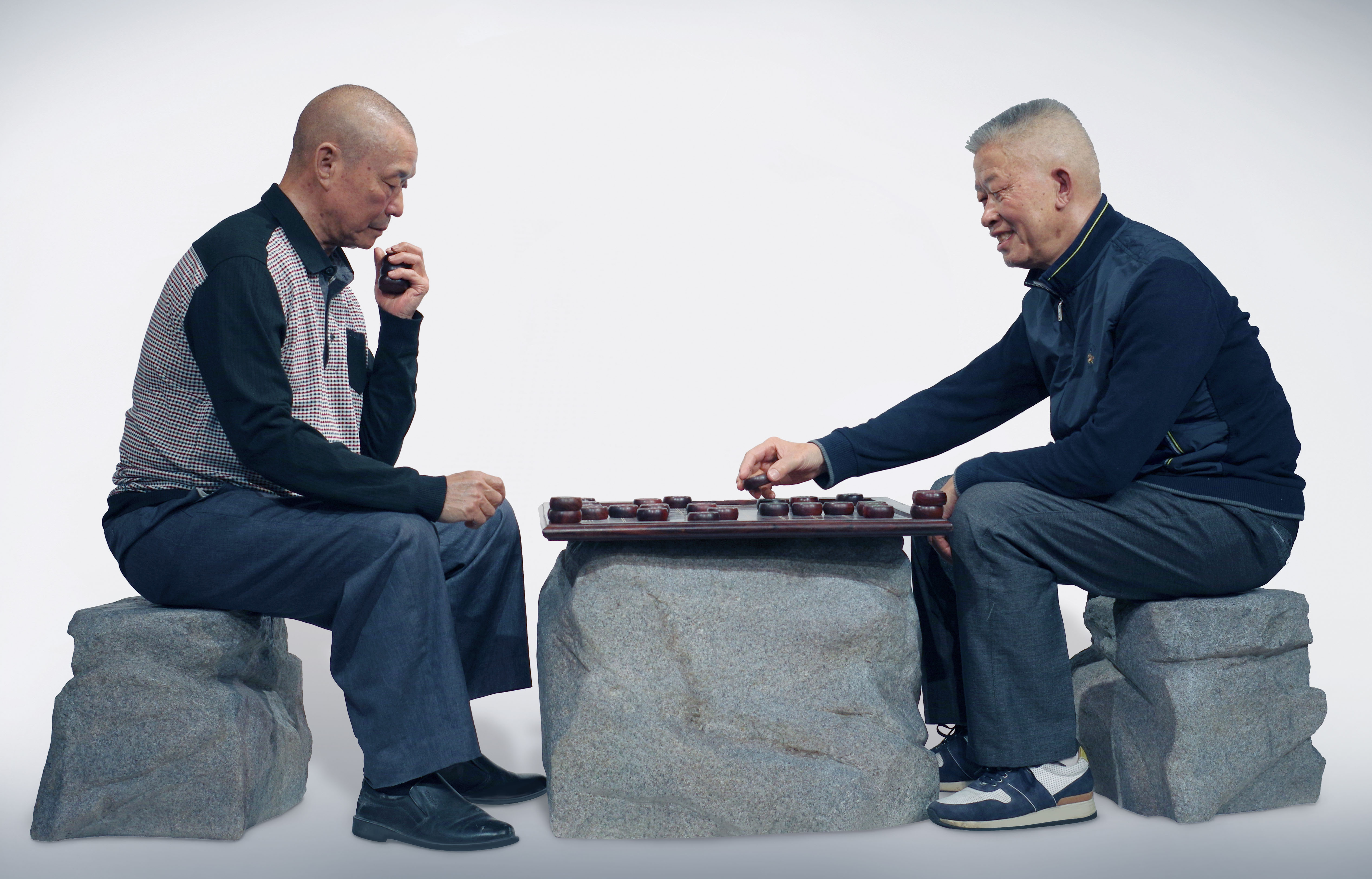
Wax Figures Through Time: A Brief Retrospective
The idea of replicating a human body is ancient; it goes back to previous civilizations. Early wax models applied in rites and ceremonies were practiced in Egypt, Greece, and Rome. The art of wax, however, achieved mass popular recognition in the 18th century, especially in Europe, where anatomically correct wax figures of royalty, criminals, and philosophers were fabricated and used to educate and entertain.
The presence of Madame Tussauds' famed collection in London solidified the idea of cultural appeal through wax museums. That was the beginning. Now, we’re entering an era where wax and silicone figures do much more than just resemble; they engage.
Madame Tussauds may have set the stage, but today’s industry is transforming once-static figures into dynamic storytellers, driven by global leaders like DXDF Art who merge tradition with cutting-edge innovation.
The Material Revolution: From Wax To Silicone Innovation
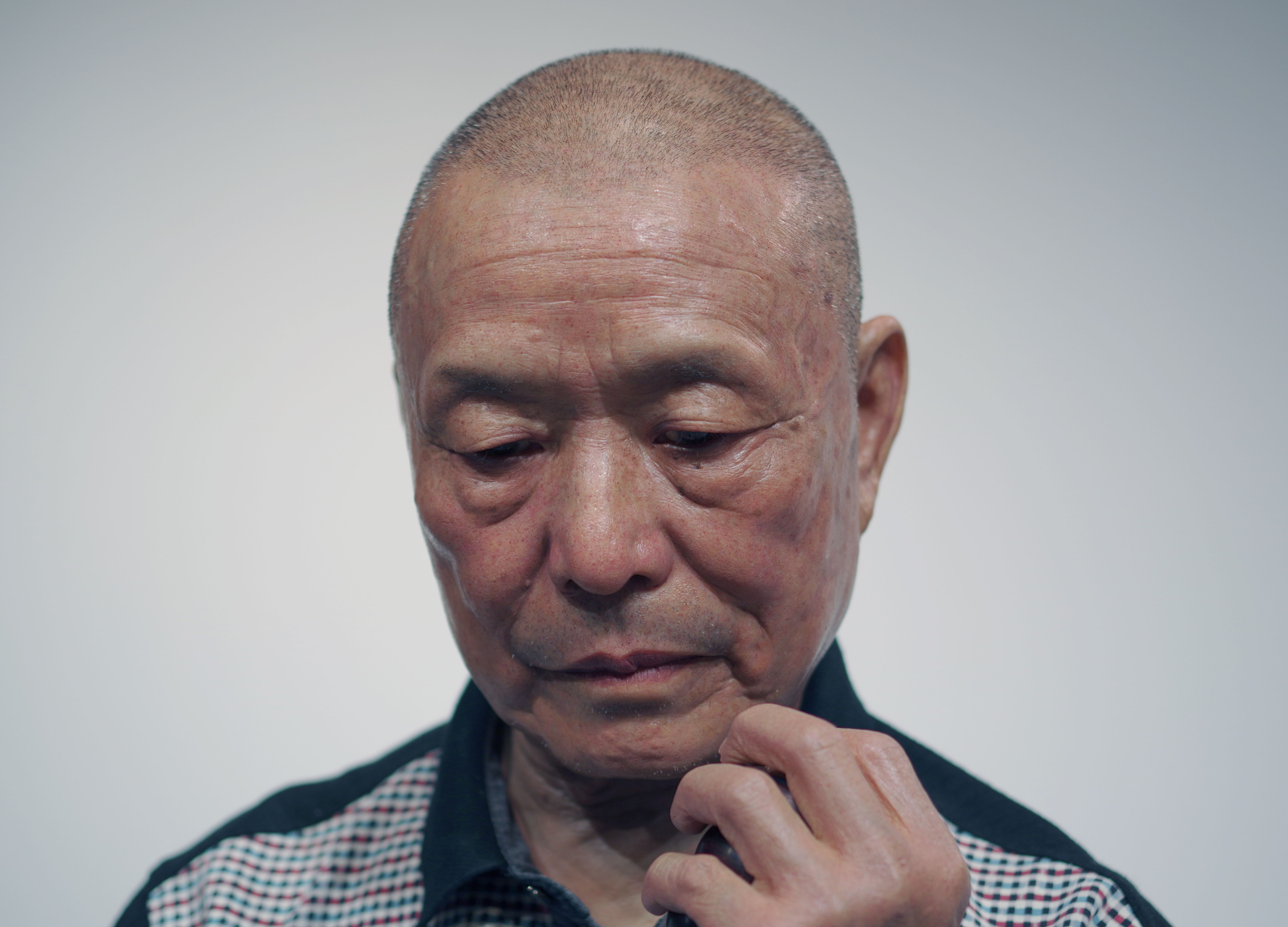
Traditionally, wax was the go-to material for realistic sculpture creation. However, the industry has evolved significantly, and today, advanced silicone-based blends have taken center stage. Top players in the wax figure industry, for instance, DXDF Art, now primarily use a proprietary mix centered on silicone. The aim here is to create hyperrealistic textures and skin translucency that closely replicate human features.
Typically, each sculpture begins with the hands of a skilled sculptor, who meticulously carves every pore and contour using years of experience. The hand and facial features, in particular, are crafted entirely by hand to ensure the most authentic expression. While 3D technology is selectively used in shaping certain body components, the heart of every figure remains rooted in the sculptor’s artistry.
The Rise of Interactive Wax Museums
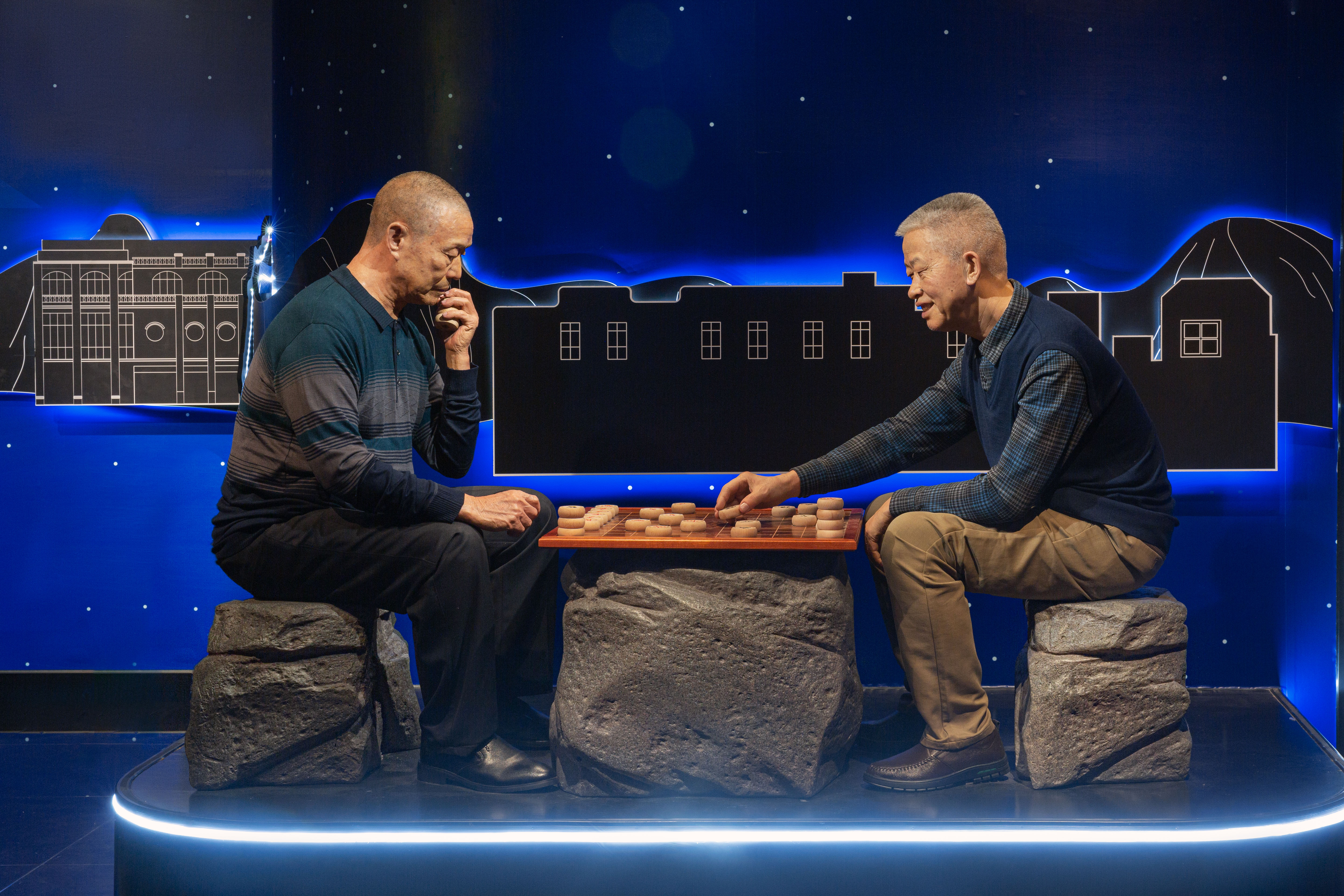
This is the end of the era when guests could only look at wax figures through a velvet rope. The present-day wax museums are interactive, narrative environments that intermix the realism of artistry with a digital interface. Such technologies as AR, projection mapping, and voice-activated systems allow visitors to interact in new, dynamic forms.
It requires more than the skill of a sculptor to meet these demands. Contemporary wax figure manufacturers enjoy 3D scanning, multi-layered silicone, and three-dimensional costume manipulation to put the productions into coherent narratives.
A Tool for Cultural Preservation
Wax figures are employed by communities all over the globe as a way of safeguarding traditions, dress, and folklore. Whether you want to go back to the times of the tribal leaders or literary giants, these personalities can celebrate heritage in a manner that remains authentic yet professionally admirable for a long time ahead.
Meanwhile, the global pop culture is restructuring the ways the younger generations relate to the world. Anime, K-pop, and superhero franchise-based fandoms are also creating demand for personalized and collectible figures.
This is an integration of living style with legacy whereby the lifelike silicon wax figures become a part of the culture as well as an identity. DXDF Art, with a presence in over 40 countries, supports this shift by creating regionally tailored exhibits with exceptional realism and design.
The Expanding Role of Silicon & Wax Figures in Branding
Companies are connecting creatively to new ways to utilize the silicon wax figures in marketing and places of experience. It could be the lifelike face of a company founder in a business museum or a brand ambassador in a flagship store—wax and silicone figures offer a memorable, interactive experience.
Displayed in a brand showcase or as part of a Wax Museum project, these figures engage contemporary viewers. To illustrate, some of the sportswear giants globally have created realistic figures of athletes and utilized them at product launches and pop-up events where fans can meet their idols and share the experience with the online community.
They are not only aesthetic, but such structures are social media magnets. The tourists adore taking pictures and sharing photos that give life to sculptures, making them easily viral. As consumer engagement becomes more experience-driven, lifelike figures are proving to be powerful branding assets.
Smart Sculptures: The Rise of Tech-Enhanced Figures
The future of wax and silicon figures lies not only in form but in function. Now, let’s see how technology is transforming wax figures into intelligent and playable companions:
● Voice responsiveness and facial recognition enable characters to react to all sorts of visitor hints, like salutations or simple expressions. This results in a play of interaction, and it does not feel like a statue is stared at, but a live character is greeted.
● Small gestures, such as smiling or blinking, powered by built-in microcontrollers, add an extra dose of realism. These subtle actions build an emotional bond and help suspend disbelief, especially in themed or narrative exhibits.
● AI and motion sensors enable silicon and wax figures to provide one-of-a-kind experiences transmitted through their own stories, frequently asked question responses and responses to behavior or change in the environment. This degree of participatory learning makes it interesting to the visitors as they become keen to use it again.
What’s Next: The Decade Ahead
Looking ahead, the next 10 years will see wax and silicone figures become more interactive, more inclusive, and more influential across industries.
We can expect:
● AI-enhanced silicon wax figures that speak or respond to visitors
● Mixed-media museums that blend holograms, digital displays, and lifelike models
● Localized storytelling, with exhibits tailored to specific cultures or regions
● Micro-experiences, like portable pop-up museums for events and education
● Smart museum operations, using data to optimize layouts and visitor engagement
The future will go to the people who know how to integrate technical aspects with creativity, realism with creativity, and education with entertainment. Having more than twenty years of international expertise in the creation of silicon wax figures as well as large museum development, DXDF Art is among the few participants who are ready to promote this next stage.
The Bottom Line
The wax and silicone figures are no longer simple statues, but increasingly they are becoming garments of immersive experience, visions of art, technology, and emotion. With the shift by museums, educators, and brands to interactive narratives, there is an increase in the need for lifelike and smart characters. If that is the case for you, give DXDF Art a shot and bring your silicone wax figure or museum vision to life.

Grand Orient Wax Art service as a mature manufacturer of wax figure.
Zhongshan Grand Orient Wax Art Co., Ltd. is one of the earliest organizations making waxwork creations in China.
ADDRESS
Building 7, No.6 Hangfeng Six Road, Guangdong Game & Amusement Culture Industry City, Gangkou Town, Zhongshan City, Guangdong, China