



Revitalizing Cultural Landmarks with Custom Wax Exhibitions
Walk into almost any historical museum or cultural landmark on a Tuesday afternoon, and the scene tends to be the same. A handful of retirees. A school group that would clearly rather be anywhere else. A few tourists consulting their phones more than the exhibits. The plaques are thorough, the artefacts are real, the significance is genuine — and almost none of it is landing.
This is not a funding problem, strictly speaking. Plenty of well-resourced cultural institutions are sitting on the same challenge. The issue is more fundamental: a gap between how history is presented and how human beings actually connect with it. Reading about a revolutionary figure on a printed panel is one thing. Standing in a room with a life-sized, hyper-realistic silicone figure of that person — seeing their face, their stance, the texture of their clothes — is something else entirely.
Custom wax exhibitions have become one of the more compelling answers to this problem. Not as a gimmick, and not as a replacement for serious historical content, but as a medium that makes that content accessible and emotionally resonant in a way that static displays rarely manage on their own.
Traditional Cultural Venues Face The Challenge: Engagement Problem
There’s a metric that tells the story pretty clearly: average dwell time. At most traditional cultural sites, visitors spend somewhere between 45 seconds and two minutes with any given exhibit before moving on. The information is processed, maybe, but it isn’t felt. And if it isn't felt, it isn't remembered, and it certainly isn't shared.
The demographic skew compounds this. Younger visitors — the people whose relationship with cultural heritage will define how it survives into the next generation — are underrepresented at most landmark sites. The reasons are well documented: passive formats, no interactive element, and no reason to take a photo and post it. For a generation that experiences the world partly through the lens of what's worth sharing online, a room of text panels simply doesn't register as an event.
What's frustrating is that the underlying content at most cultural landmarks is genuinely rich. The stories exist. The historical figures are fascinating. The cultural significance is real. The problem is presentational, not substantive — and that's actually a more solvable problem than it might seem.
Why Wax Figures Work Where Other Solutions Fall Short
Cultural institutions have tried various approaches to the engagement problem over the years. Augmented reality overlays. Multimedia installations. Interactive touchscreens. Some of these have had modest success, but most share a common weakness: they still require the visitor to initiate the experience. You have to pick up the tablet, or stand in the right spot, or press the right button.
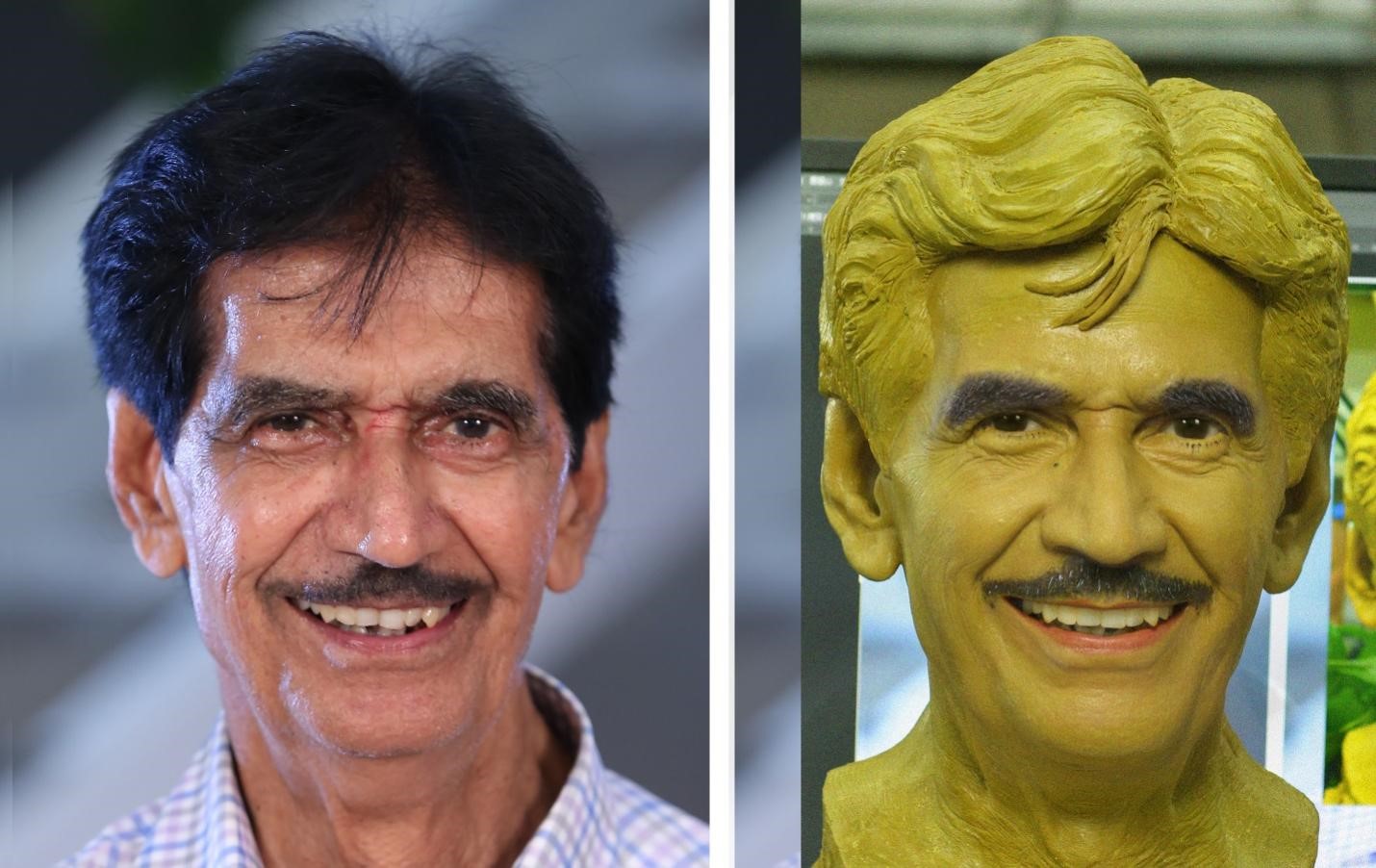
A well-crafted silicone wax figure doesn't ask anything of you. It just stops you. The human brain is wired to respond to human faces and human presence — it's one of our most primitive perceptual instincts. A figure with realistic skin texture, a particular expression captured at the right moment, a posture that communicates something about who this person was — it triggers a response that no amount of high-resolution photography or wall text can reliably replicate.
There's also something about physical presence and scale that matters. A 1:1 recreation of a historical figure in the same room as you creates a different cognitive experience than a portrait or a photograph. The spatial relationship is different. You're not looking at a representation of a person from a distance — you're sharing a room with them, in some sense, and that shifts the emotional register of the entire encounter.
The Social Media Variable — and Why It Changes the Economics
One thing that has changed the calculus for cultural institutions significantly in the last few years is the role of social media as a discovery channel. A meaningful share of first-time visitors to any attraction now arrive because they saw it on someone's feed. Not because of advertising. Not because of a review site. Because a friend or an account they follow posted something from inside the space, and it looked compelling enough to visit.
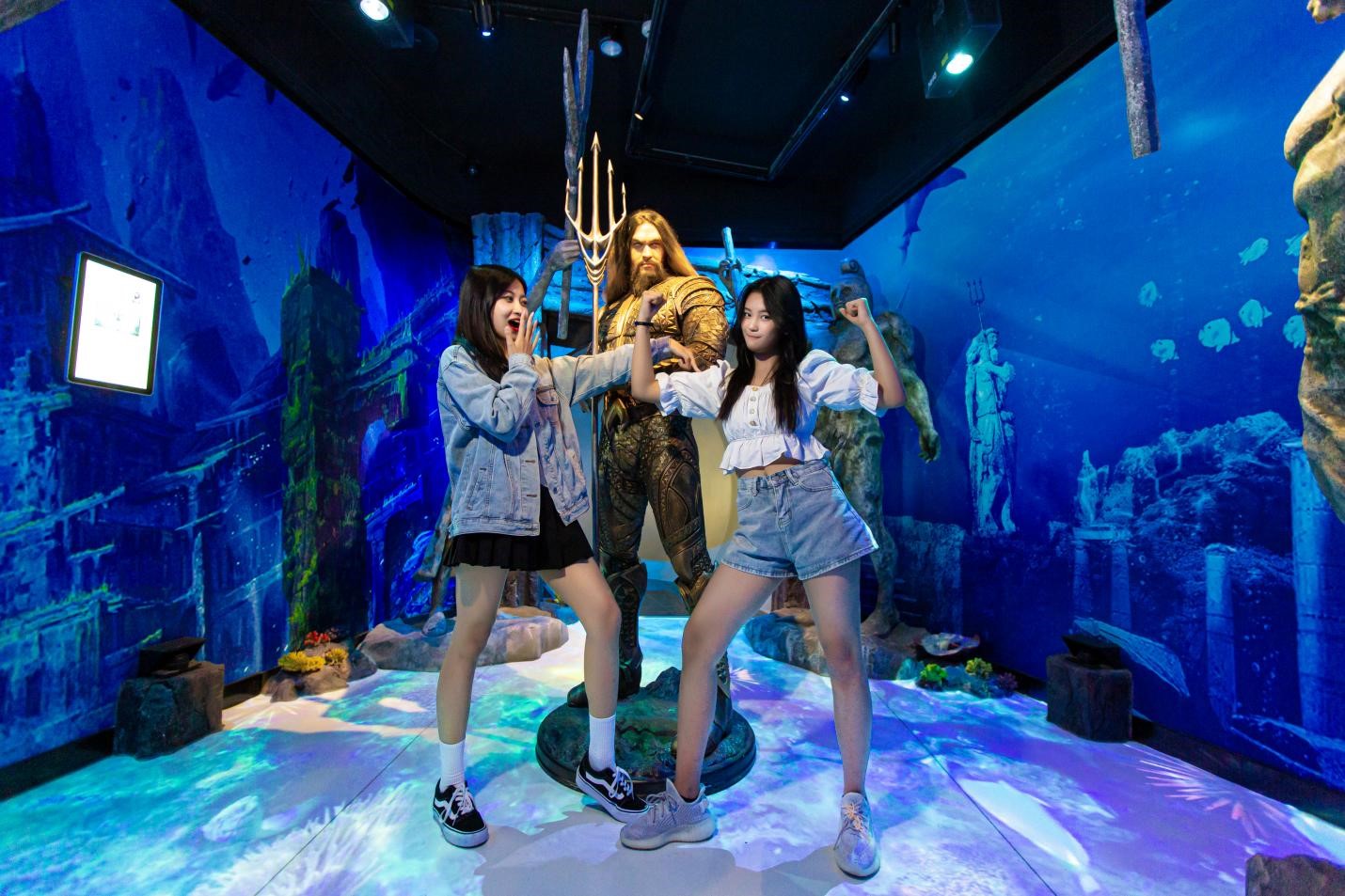
High-quality wax figure installations are exceptionally well-suited to this dynamic. They're visually striking, they invite interaction and photography, and the best ones produce content that looks genuinely interesting rather than merely documentary. Someone posing alongside a hyper-realistic figure of a historical general, or standing next to a recreation of a founding cultural figure, produces a photo that people stop scrolling for. In markets like China, where “check-in culture” — the practice of visiting and photographing specific locations for their social media value — is deeply embedded in how younger consumers experience attractions, this is not a marginal consideration. It's central to footfall strategy.
The WeiMuKaiLa Wax Museum in Jinan illustrates what this can look like at scale. The museum spans 3,800 square metres and houses over 100 figures across 16 themed zones — from a Red Revolution zone to DC and Marvel characters to traditional cultural figures — alongside interactive areas and food and beverage spaces. It functions less like a traditional museum and more like a destination experience, one that people go to specifically because it generates the kind of immersive, shareable moments that static institutions struggle to produce.
What a Thoughtful Installation Actually Requires
The difference between a wax exhibition that transforms a cultural site and one that feels like an odd addition to it comes down to how seriously the process is taken from the beginning. There are four things that tend to separate the successful projects from the ones that miss.
The first is cultural specificity. A generic selection of famous faces doesn't serve a site with a specific cultural identity. The exhibition should be something that could only exist in that place.
The second is craftsmanship in the figures themselves. Studios with serious expertise in hyper-realistic silicone work — DXDF Art, with nearly 24 years in the field, is among the more established — work from detailed historical documentation to reproduce facial structure, expression, clothing, and posture with a level of fidelity that matters enormously to how the final installation is received. A figure that is recognisably approximate is not the same as one that makes visitors catch their breath. The gap between the two is craftsmanship, and it cannot be shortcut.
Third is spatial thinking. The best installations are designed around how visitors actually move through a space and where they naturally slow down.
Finally, there is the question of longevity and iteration. High-quality silicone wax figure made of stable materials, stored in an indoor environment with suitable humidity and temperature, can maintain their condition for at least 25 years without significant deterioration. That durability matters because cultural exhibitions benefit from stability — the content becomes part of the site's identity over time. But within that stable framework, there should be room to refresh elements around festivals, anniversaries, or cultural events. The core installation provides the anchor; the ability to update around it keeps the site feeling alive.
History Is Worth Experiencing, Not Just Preserving
There is something worth saying plainly here. Cultural landmarks exist because societies have decided that certain histories, certain figures, certain moments are worth remembering and passing on. That mission only succeeds if people actually engage with the content — if they leave having felt something, understood something, remembered something.
Custom wax exhibitions don’t dilute that mission. Done well, they serve it more effectively than most of the alternatives currently on offer. They make history present rather than past. They give visitors a reason to stay longer, look closer, and come back. They turn cultural content into cultural experience — and that distinction, in the end, is what separates the institutions that thrive from the ones that quietly fade.
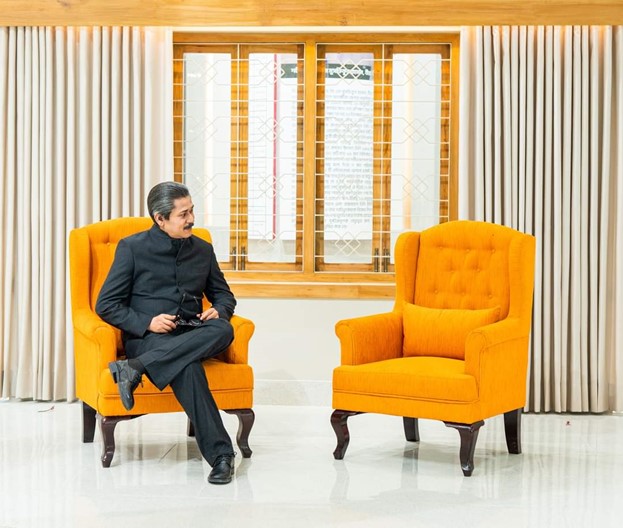

Grand Orient Wax Art service as a mature manufacturer of wax figure.
Zhongshan Grand Orient Wax Art Co., Ltd. is one of the earliest organizations making waxwork creations in China.
ADDRESS
Building 7, No.6 Hangfeng Six Road, Guangdong Game & Amusement Culture Industry City, Gangkou Town, Zhongshan City, Guangdong, China